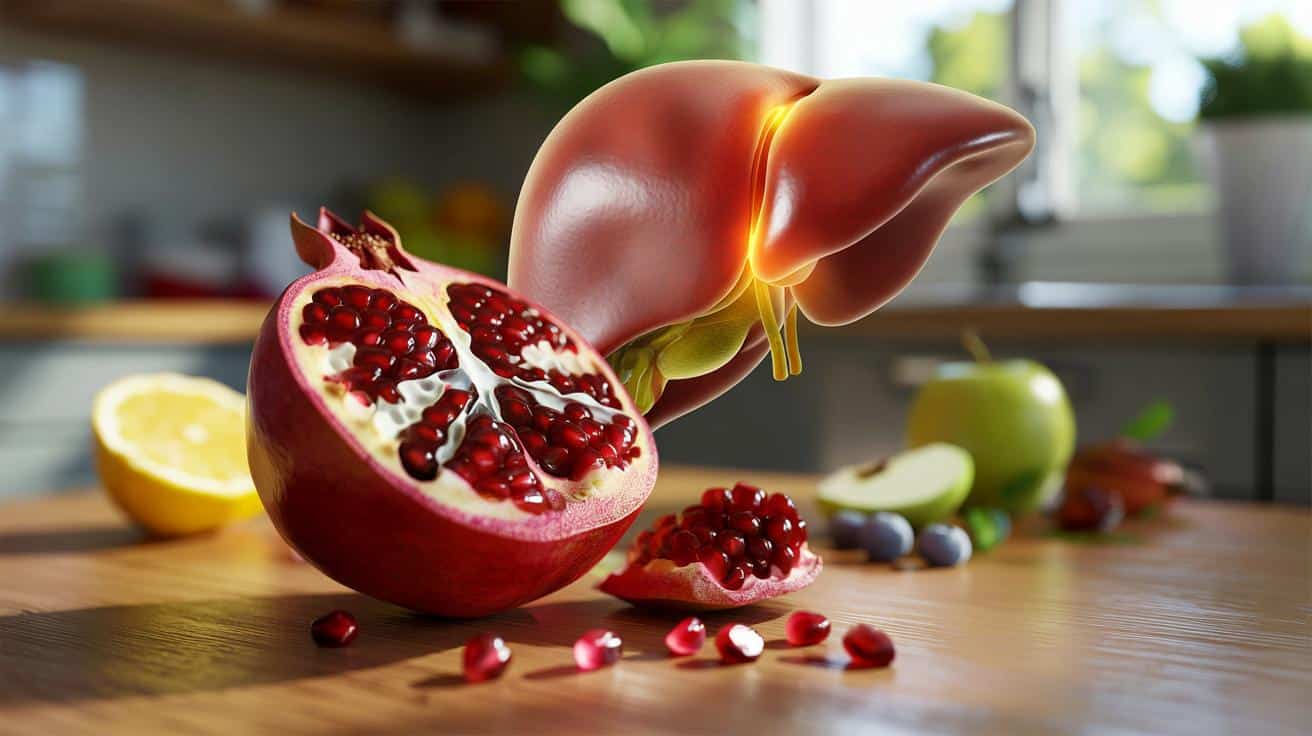
Doctors and nutritionists are paying fresh attention to a colourful seasonal fruit that appears to protect the liver, ease inflammation and even support regeneration of damaged cells.
The liver, the body’s overworked filter
The liver is the largest internal organ in the human body. It filters the blood, breaks down alcohol and medications, digests fats and manufactures vital proteins. When it struggles, the whole body feels it: fatigue, poor digestion, brain fog and long‑term metabolic issues often follow.
Modern habits place heavy pressure on this organ: ultra‑processed foods, sugary drinks, sedentary lifestyles and regular alcohol intake all contribute to fat and toxins accumulating in liver tissue.
The liver has an astonishing capacity to repair itself, but it needs the right conditions and nutrients to do so.
That’s why many specialists now look less to radical “detox cures” and more to everyday foods that gently support liver function. Fruits, in particular, provide fibre, vitamins and plant compounds that help the liver process waste and limit cellular damage.
The usual liver-friendly fruits – and their limits
Citrus fruits are often praised first. Lemons, grapefruits and oranges are rich in vitamin C, a key antioxidant that protects liver cells from oxidative stress generated by pollution, alcohol and poor diet.
Many nutritionists still recommend a glass of warm water with lemon in the morning. Not as a miracle cleanse, but as a simple daily habit that brings hydration, vitamin C and a mild stimulating effect on digestion.
Apples are another classic. Their pectin, a soluble fibre, helps the body bind and eliminate certain toxins and heavy metals. Pectin also supports cholesterol control and can limit fat accumulation inside the liver, particularly helpful for people at risk of fatty liver disease.
Why red fruits stand out
Among all fruits, red berries – strawberries, raspberries, blueberries, blackcurrants – stand out for their concentration of flavonoids and phytosterols. These plant compounds have strong antioxidant and anti‑inflammatory effects that benefit liver tissue.
They help neutralise free radicals, those unstable molecules that “attack” cell membranes and DNA. By limiting this constant low‑grade damage, red fruits reduce the burden on the liver and support its natural repair processes.
➡️ A psychologist says: “This small change in how you think about people marks true emotional maturity”
➡️ What does it mean to always talk to yourself? Psychology explains it
➡️ Psychology explains why some people always speak very loudly
➡️ How to Eliminate Moss from Your Lawn Naturally and Effectively?
Among the red fruits, one stands out as a real liver ally: the pomegranate, often forgotten in everyday shopping baskets.
Pomegranate, the underrated liver guardian
Pomegranate, with its jewel‑like seeds, is more than just a pretty fruit for salads. Nutritionists now describe it as one of the most purifying fruits for the liver, thanks to a unique cocktail of polyphenols.
Its deep red colour comes from anthocyanins and other antioxidants that help protect liver cells from oxidative stress. But researchers are particularly interested in a compound called ellagic acid.
Ellagic acid and liver cell protection
Ellagic acid is a polyphenolic compound found in pomegranate and some berries. Studies suggest it has “hepatoprotective” properties – meaning it helps shield liver cells from damage.
Scientists have observed several key actions:
- Neutralising free radicals that damage liver cell membranes
- Modulating cytokines, small proteins involved in inflammation
- Helping regulate fat metabolism in liver tissue
By acting on these three fronts, ellagic acid appears to reduce inflammation and may even help reverse some changes seen in fatty liver disease.
Pomegranate and non-alcoholic fatty liver disease
Non‑alcoholic fatty liver disease (NAFLD), sometimes called “fatty liver”, is becoming one of the most common chronic liver conditions worldwide. When it progresses to a more advanced inflammatory stage, it is often referred to as NASH (non‑alcoholic steatohepatitis).
This condition is strongly linked to obesity, type 2 diabetes and a diet high in sugar and saturated fat. Fat accumulates in liver cells, inflammation rises and, over time, scarring (fibrosis) can appear.
Research suggests pomegranate extracts may ease inflammation linked to fatty liver and support healthier fat handling inside the organ.
In experimental studies, ellagic acid from pomegranate reduced levels of inflammatory markers, limited the accumulation of fat in liver cells and improved some indicators of liver function. These findings do not turn pomegranate into a cure, but they do point to a meaningful supportive role within an overall healthy lifestyle.
Is eating pomegranate enough?
No food can on its own “heal” a severely damaged liver. Yet including pomegranate regularly may support medical treatment and lifestyle changes. It acts as one tool among several: weight management, regular physical activity, reduced alcohol intake and a balanced diet remain central.
| Beneficial component | Where it helps the liver |
|---|---|
| Ellagic acid | Reduces oxidative stress and inflammation, supports fat metabolism |
| Anthocyanins | Protects cell membranes from free radical damage |
| Fibre | Supports digestion and cholesterol balance, easing the liver’s workload |
| Vitamin C | Supports antioxidant defences and collagen production in tissues |
How to add pomegranate to an everyday diet
Pomegranate has one drawback: it requires a bit of effort to open and free the seeds. Once done, its use is flexible and fairly simple.
- Sprinkle the seeds over breakfast porridge or yoghurt
- Add them to green salads with rocket, spinach or cucumber
- Mix with other berries for a colourful fruit salad
- Blend a small handful into a smoothie, keeping the pulp for fibre
Juices made from pure pomegranate are also available, but they concentrate natural sugars and reduce fibre. A small glass can be part of a meal, though whole fruit generally brings more benefits with less impact on blood sugar.
For the liver, a modest daily portion of whole pomegranate often beats large glasses of sweet juice.
Who should be careful?
Pomegranate is safe for most people when eaten as a fruit. People taking certain medications, particularly some blood thinners or drugs processed by specific liver enzymes, should seek medical advice before consuming large amounts of pomegranate juice or concentrated extracts.
Food supplements based on pomegranate extract can deliver high doses of active compounds. These are not neutral and should not be started without a discussion with a healthcare professional, especially in cases of existing liver disease.
How fruit works together for liver health
Pomegranate does not act alone. A pattern emerges across studies: a varied intake of colourful fruits appears more helpful than focusing on a single star ingredient.
Combining citrus fruits, apples, berries and pomegranate brings a wide range of antioxidants and fibres. Each family of compounds targets a different stage of liver stress, from fat accumulation to inflammation and fibrotic changes.
For someone with a sedentary lifestyle, a practical scenario could look like this: a breakfast of oats with apple and pomegranate seeds, a mid‑morning orange, berries as an afternoon snack and vegetables at dinner. Add regular walking and reduced alcohol on top, and the liver’s environment changes noticeably within weeks.
Key terms behind the science
Several technical words return in liver research and can sound abstract. Two are particularly relevant here:
- Oxidative stress: a state where free radicals outnumber antioxidants, leading to microscopic damage inside cells.
- Cytokines: small signalling proteins that control inflammation. When produced in excess, they keep the liver in a chronic inflammatory state.
Pomegranate’s polyphenols, including ellagic acid, appear to calm both phenomena. They help rebalance this internal chemistry, leaving liver cells in a less hostile environment where natural regeneration can proceed more effectively.
Used sensibly, alongside a generally balanced diet, this modest red fruit can become a quiet but consistent ally for anyone looking to give their liver a better chance to repair, protect and function at its best over the long term.