The fingerprints always show up right before guests arrive. You wipe the glass table, step back feeling smug, then a ray of late-afternoon sun hits the surface and suddenly: streaks, smudges, little ghostly handprints you swear weren’t there 30 seconds ago. You go back over it, changing cloths, changing angles, breathing on the glass like some overqualified window cleaner. Yet the table still looks… off. Behind you, someone casually drops a glass on it, leaving a perfect circle of condensation. You feel your eye twitch.
There’s a reason glass tables are so seductive in decor photos and so infuriating in real life. They expose every trace of daily living.
The good news is, the problem isn’t the table. It’s how we clean it.
Why glass tables seem to attract fingerprints
The first thing to know is that your glass table isn’t actually “dirty” most of the time. It’s just brutally honest. Glass doesn’t hide anything: natural skin oils, hand lotion, crumbs from breakfast, even the faint mark of a mug that was there for two seconds. All of it gets showcased under the nearest window like a crime-scene spotlight.
That’s why you can clean obsessively and still feel like the table never stays clean for more than an hour. You’re not imagining it. Glass is unforgiving by design.
Picture a Saturday morning. You’ve finally wiped the whole living room, lit a candle, opened the curtains. The glass coffee table looks flawless for about, what, three minutes? Then your kid drops a toy on it. Your partner leaves their phone, then moves it, leaving a greasy rectangular shadow. A snack appears. A laptop. Suddenly the top of the table is a gallery of everyone’s fingerprints, like you’re living inside a forensics documentary.
This is the quiet reality of shared spaces: every touch lands on that glass and stays there, waiting for the next shaft of sunlight to expose it.
There’s a simple reason fingerprints show so sharply on glass. Human skin naturally produces sebum, a kind of oil that transfers with every touch. On matte wood, that oil diffuses and disappears into texture. On glass, it just sits there. Light bounces off the smooth surface and highlights every trace. So the more you touch, the more visible it becomes.
That’s why the people who seem to have “always perfect” glass tables aren’t necessarily cleaning more. They’re using products and habits that reduce how much oil sticks in the first place.
The cleaning routine that stops constant fingerprints
Start with one goal: clean the glass once properly, then spend the rest of the week doing tiny, nearly effortless touch-ups. To get there, you need two things: a good degreasing cleaner and the right cloth. A spray bottle with a mix of white vinegar and water (about half and half) works surprisingly well. Add one drop of dish soap if your table is really smeared from food or lotion.
➡️ Why people who feel mentally lighter after the holidays always start with this one reset
➡️ How changing when you check messages improves focus without missing anything important
➡️ This Ancient Deadly Disease Is Growing More Resistant To Antibiotics, And Experts Are Worried
➡️ The way Australians are using their garages is changing faster than anyone expected
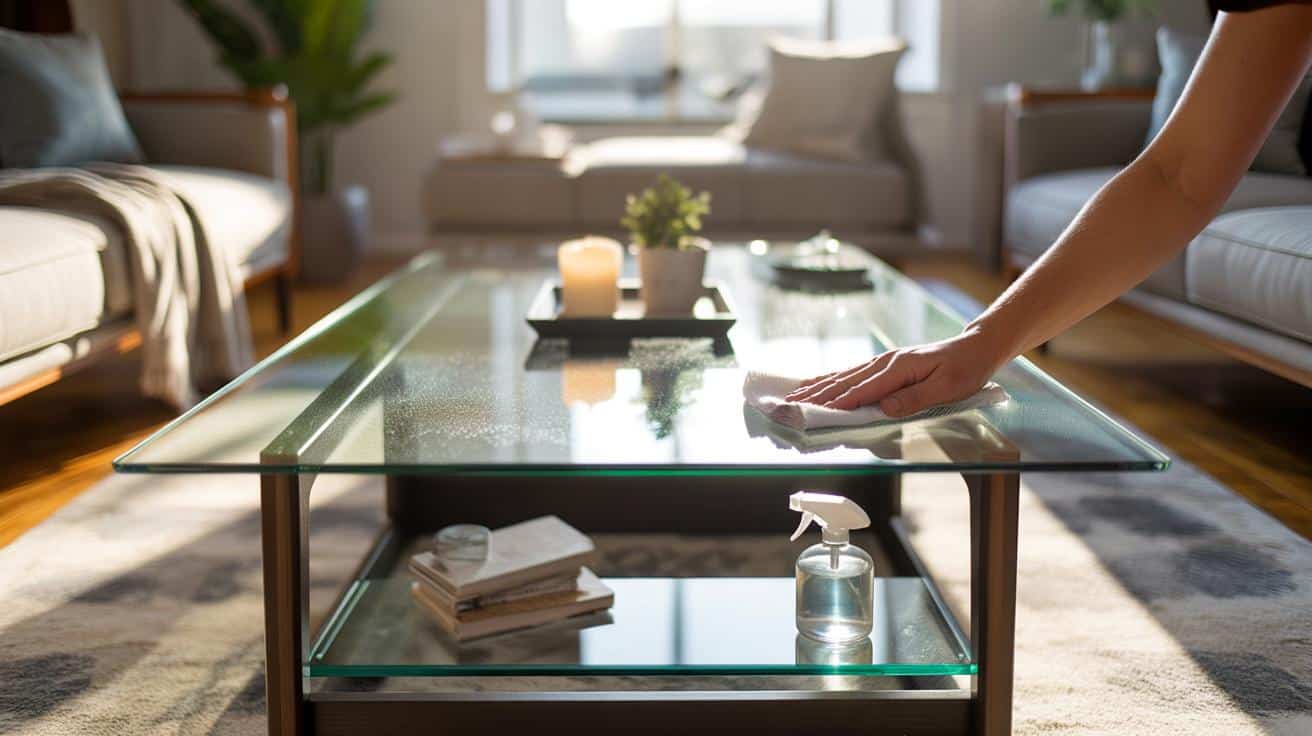
Spray lightly, don’t drench. Wipe with a flat-folded microfiber cloth, moving in overlapping lines from one side to the other. Flip the cloth to a dry side and do a second pass. That last dry pass is what gives you that squeaky, crisp finish.
This is where a lot of people sabotage themselves without noticing. They grab paper towels that shed lint or an old T‑shirt that once saw better laundry days. Then they scrub in frantic circles, pushing product around and leaving halos. The glass dries patchy, and the first touch leaves a dramatic, greasy-looking mark. Sound familiar?
Let’s be honest: nobody really does this every single day. So the idea isn’t “perfect glass always”, it’s “smart glass most of the time, with minimum effort”. That means investing in two or three decent microfiber cloths that you only use for glass, and training your hands to wipe in straight, calm motions, not panicked circles.
Once the surface is truly clean, you can make it more resistant to fingerprints with one simple move people rarely talk about. After cleaning, lightly buff the glass with a clean, dry microfiber cloth that has a tiny amount of glass-safe polish or even a drop of lemon-scented dish soap already dried into it. You’re not trying to “coat” the glass, just to leave a nearly invisible film that skin oils don’t love.
“The trick isn’t cleaning more. It’s making the surface a little less friendly to fingerprints, so they don’t cling so eagerly.”
Then keep a tiny “glass survival kit” nearby:
- A folded microfiber cloth in a drawer or basket near the table
- A small spray bottle with diluted vinegar or ready-made glass cleaner
- A coaster set that actually looks nice enough people want to use it
*You’re not trying to win a cleaning contest, just to stop the glass from constantly shouting for attention.*
Living with glass without losing your mind
Once you’ve nailed the method, the real shift happens in how you live with the table. A glass piece in the middle of a busy family room won’t stay pristine for long, and that’s fine. The goal is to move from “constant battle” to “small, casual reset”. You wipe it properly once or twice a week. The rest of the time, you give it a 10‑second pass when you walk by with your coffee.
That might mean accepting a few fingerprints between deep cleans, while quietly changing the rules around the table. Coasters within reach. No feet on the glass, no matter how Netflix-heavy the night gets. Maybe a tray in the center to “catch” most of the everyday clutter and smudges.
| Key point | Detail | Value for the reader |
|---|---|---|
| Use the right tools | Microfiber cloth + light vinegar mix, straight-line wiping | Cleaner finish, fewer streaks, less re-cleaning |
| Protect the surface | Light invisible film, coasters, central tray zone | Fewer visible fingerprints throughout the day |
| Shift habits, not just products | Quick touch-ups, simple rules for family and guests | Less stress, a table that looks cared for without obsession |
FAQ:
- How often should I really clean a glass table?For a busy household, a proper clean once or twice a week is enough, with tiny touch-ups when you notice clear marks or ring stains.
- Can I use just water and a cloth?You can, but it won’t cut through skin oils as well, so fingerprints reappear faster and the finish often looks hazy.
- Is vinegar safe for all glass tables?Vinegar works well on plain glass but avoid the frame or base if it’s natural stone or delicate metal; spray on the cloth, not directly on the table.
- Do commercial “anti-fingerprint” sprays work?Some do, especially the ones made for screens or glass, but results vary; start with a light application and test a small corner first.
- What if my glass table always looks streaky?Streaks usually come from using too much product, dirty cloths, or circular scrubbing; switch to clean microfiber, less spray, and straight-line wiping.