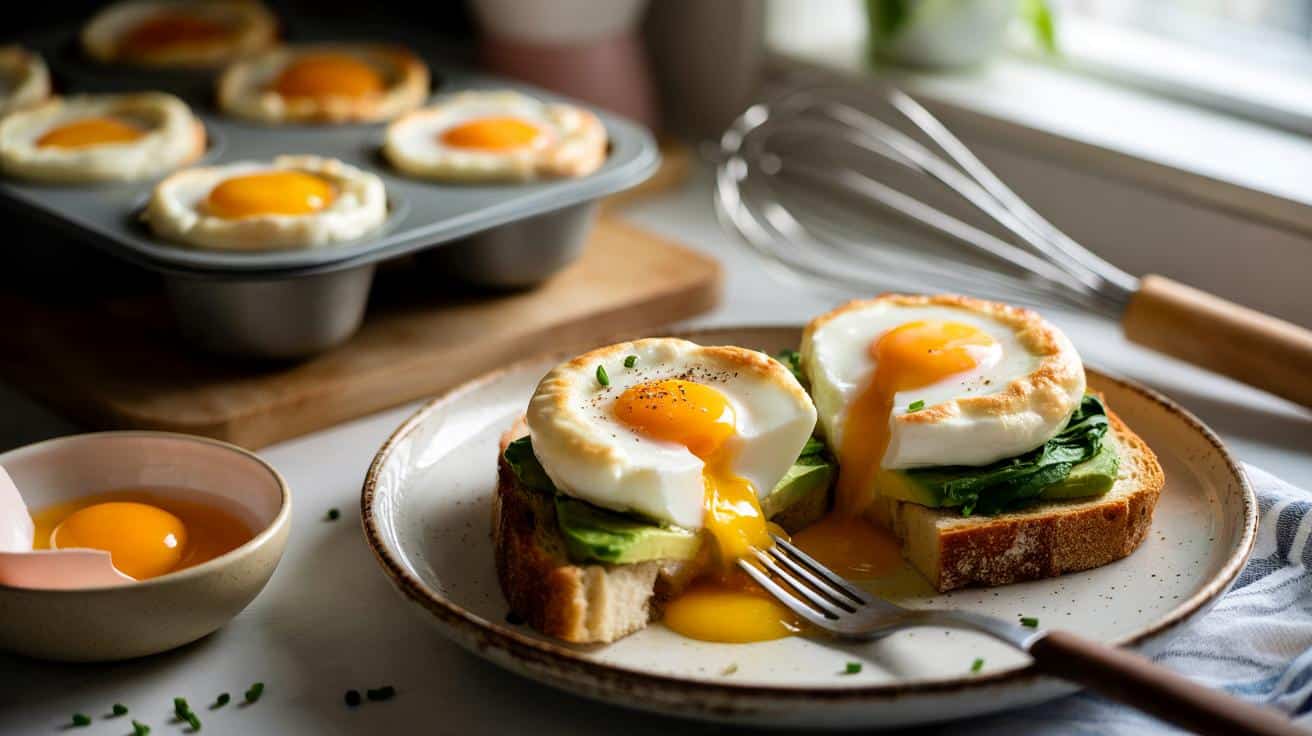
Across TikTok, Instagram and weekend tables, “cloud eggs” are floating back into fashion, promising runny yolks, crisp edges and a surprisingly light way to eat something we already know by heart.
What exactly are cloud eggs?
Cloud eggs are baked eggs where the white is whipped until fluffy, then formed into a nest that cradles the yolk.
The result looks like a tiny edible cumulus cloud: the white is puffed and lightly crisp on top, while the yolk stays soft and glossy in the centre.
Think of cloud eggs as a cross between a poached egg and a soufflé, but ready in about ten minutes.
They sit somewhere between trend and technique. The method is simple enough for a weekday breakfast, yet the presentation feels restaurant-level. That combination explains why they keep reappearing on social media feeds and brunch menus.
The basic recipe: you only need a handful of ingredients
The core of the recipe is extremely stripped back. For each cloud egg, you need just:
- 1 large egg
- a small pinch of salt
- a twist of black pepper
- a light grating of nutmeg, if you like warm, aromatic notes
A muffin tray, ideally silicone, is one of the easiest ways to shape the clouds and stop them spreading. A small baking tray lined with baking parchment also works, but you will need to sculpt each “cloud” by hand.
Because the white is whipped, every extra flavour you add becomes more noticeable, so keep seasoning simple and precise.
Step-by-step: how to make cloud eggs at home
1. Separate the eggs carefully
Start by cracking each egg and separating the white from the yolk.
➡️ Neither boiled nor raw : the best way to cook broccoli for maximum antioxidant vitamins
➡️ Twitter’s JavaScript roadblock: why you can’t use X.com without it
➡️ This European country challenges its arms industry with a homegrown rival to the Tomahawk missile
Place all the whites in a large mixing bowl. Transfer each yolk into its own small ramekin or espresso cup. This keeps them intact and prevents breakage later when you move them onto the whipped whites.
2. Whip the whites until they stand up
Add a pinch or two of salt to the bowl of egg whites. Season lightly with pepper and, if you enjoy it, a hint of freshly grated nutmeg.
Whisk the whites until they form firm peaks. An electric mixer makes this faster and more stable; by hand you will need a little patience, but it still works.
The whites are ready when you can briefly turn the bowl sideways and nothing slides.
3. Shape the “clouds”
Spoon the whipped whites into the cups of a silicone muffin tray, filling each about two-thirds of the way.
Use the back of a spoon to create a small hollow in the centre of each portion. This “crater” will hold the yolk.
Gently slide a yolk from its ramekin into each hollow. If you prefer a more theatrical effect, you can add a thin spoonful of white over the top to partly “seal” the yolk inside the cloud.
4. Bake briefly for a runny centre
Cook the eggs in a preheated oven or an air fryer at 180°C (about 355°F) for roughly five minutes.
This short blast of heat sets the whites and lightly toasts the surface, while leaving the yolk soft and runny. If you prefer a firmer centre, extend the cooking time by one or two minutes, checking regularly.
Five minutes is usually enough for a set, airy white and a yolk that flows the moment you cut into it.
Why cloud eggs appeal to brunch lovers
For many people, the draw of cloud eggs lies less in nutrition and more in texture and theatre.
The contrast is striking: a slightly crisp, meringue-like exterior; a tender, foamy interior; a rich liquid yolk spilling over toast or salad underneath.
Visually, they work hard on social media. The height, the bright yellow centre and the clean edges look good on camera, especially when plated over avocado toast, roasted vegetables or a simple piece of sourdough.
Light yet satisfying
Because the whites are aerated rather than fried in oil, the dish feels lighter than a pan-fried egg.
You still get the protein of the whole egg, but with less added fat, especially if you avoid greasing the silicone moulds. For those trying to reduce frying or heavy brunches, it offers a different route without giving up the pleasure of a molten yolk.
Ways to personalise your cloud eggs
Once you understand the basic technique, small tweaks give very different results.
- Cheesy cloud: fold a tablespoon of finely grated hard cheese into the whipped whites before shaping.
- Herb version: add chopped chives, parsley or dill for a fresh, green finish.
- Spiced brunch: sprinkle smoked paprika or chilli flakes over the clouds before baking.
- Vegetable base: sit the cooked cloud egg on a bed of wilted spinach, roasted tomatoes or sautéed mushrooms.
Small additions like herbs or cheese need to be finely chopped and added gently, or they can deflate the whites.
Common mistakes and how to avoid them
| Issue | Likely cause | Simple fix |
|---|---|---|
| Flat, sad clouds | Whites not whipped enough or bowl had traces of fat | Use a clean, dry bowl and whisk to firm peaks |
| Rubbery texture | Overcooking at high heat | Check after 5 minutes, remove as soon as whites colour lightly |
| Broken yolks | Rushing when transferring yolks | Use small cups, slide yolks gently into the hollows |
| Eggs sticking to the mould | Using metal tins without lining | Switch to silicone or line tins with parchment circles |
Health notes and safety around utensils
Many recipes suggest silicone muffin trays because cloud eggs are baked without added fat.
One point to keep in mind: greasing silicone repeatedly and heating it at high temperatures can make the material degrade faster. Some specialists warn that worn silicone may release small particles into food if it is scratched or damaged.
Using intact, good-quality moulds, avoiding sharp tools and staying within the recommended temperature range can help limit that risk. If you prefer to avoid silicone, you can line metal muffin trays or small ramekins with baking paper and shape the clouds there.
How cloud eggs fit into everyday eating
Nutrition-wise, cloud eggs are still eggs: a source of protein, vitamin D and several B vitamins, along with cholesterol in the yolk.
Current guidance in many countries suggests that most healthy adults can eat eggs regularly, though people with specific cholesterol issues should speak with a health professional about their individual case.
Where this recipe stands out is in how easily it adapts. A single cloud egg on toast makes a light weekday breakfast. Two or three, served alongside salad, roasted vegetables or whole grains, become a complete meal that feels indulgent without relying on heavy sauces or large amounts of butter.
From trend to habit: when cloud eggs actually make sense
Imagine hosting a small brunch. With traditional poached eggs, you hover over a pan, timing each egg, hoping the whites do not stray everywhere. With cloud eggs, you whip the whites, shape them in the tray, add the yolks and slide everything into the oven while you set the table.
The entire batch cooks at once, which removes some of the stress of serving six or eight people at nearly the same time. For families with children, the visual drama also helps. Kids often enjoy watching the whipped whites puff in the oven, and the “cloud” name softens initial resistance to trying something new.
Cloud eggs work less as a daily habit and more as a low-effort trick when you want breakfast to feel a bit special.
As with many viral recipes, the technique itself is simple, but the value lies in how you use it: adjusting the timing for your preferred yolk texture, pairing the clouds with seasonal vegetables or bread, and treating this airy version of eggs as another tool you can pull out whenever a basic breakfast needs a small lift.